The custom apparel industry has experienced explosive growth over the past decade, with print-on-demand services and small-batch manufacturing becoming more accessible than ever. If you have spent any time researching heat transfer equipment, you have likely encountered the traditional clamshell and swing-away presses that dominate the market. But there is another category of equipment that deserves your attention: the rolling heat press.
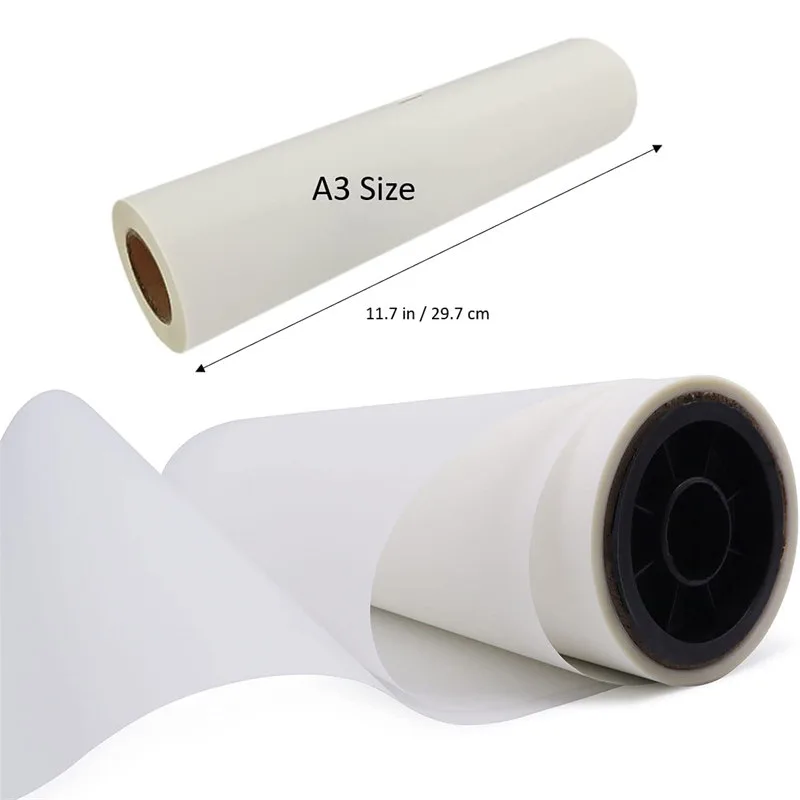
Unlike flatbed machines that operate in discrete cycles, a rolling heat press functions more like an assembly line. Materials pass through heated rollers in a continuous motion, creating a workflow that feels almost magical in its efficiency. For businesses processing high volumes of sublimated fabrics, heat transfer vinyl applications, or roll-to-roll materials, this technology represents a significant leap forward in production capability.
This guide walks through everything you need to know about rolling heat presses—from how they work to whether they make sense for your specific operation.
A rolling heat press, sometimes called a rotary heat press or calendar heat press, uses cylindrical rollers to apply continuous heat and pressure to materials passing through the machine . Think of it like an old-fashioned wringer washing machine, but with precisely controlled heating elements and pressure settings.
The fundamental difference between rolling presses and flatbed presses comes down to workflow. Flatbed presses operate in cycles: open the press, position the material, close the press, wait for the timer, open the press, remove the material. Rolling presses, by contrast, process materials continuously. You feed one end, and finished product emerges from the other side moments later .
Most rolling heat presses consist of heated drums or rollers, typically between 200mm and 1000mm in diameter depending on the machine size . The material—whether fabric, transfer paper, or substrate—passes between these rollers under controlled tension and pressure.
The heating systems vary by manufacturer and price point. Some machines use oil-filled drums that distribute heat evenly across the roller surface . Others rely on electric heating elements positioned at the center of the rollers . Higher-end models often feature independent temperature controls for upper and lower rollers, allowing for precise adjustments based on material requirements .
A continuous belt or blanket system typically carries the material through the machine, maintaining proper alignment and preventing wrinkles . This belt must withstand both high temperatures and repeated use, which is why Teflon-coated fiberglass has become the industry standard for quality machines .
The most immediately obvious benefit of a rolling heat press is speed. While a flatbed press might process 20 to 40 garments per hour with an experienced operator, a rolling press can handle hundreds of linear feet in the same timeframe .
For businesses producing sports uniforms, team apparel, or any situation requiring multiple identical items, this speed translates directly to profitability. One operator can manage the machine while simultaneously preparing the next batch of materials, creating a workflow that flatbed presses simply cannot match.
Not all rolling heat presses serve the same purpose. Understanding the different configurations available helps match the equipment to your actual production needs.
These entry-level machines require an operator to feed materials manually into the rollers. They typically cost less than fully automatic systems and take up less floor space .
Manual feed presses work well for smaller operations producing fewer than 100 items per week. The operator maintains direct control over alignment and feeding speed, which can be advantageous for irregular items or when working with particularly delicate materials.
The trade-off comes in consistency. Even skilled operators introduce some variation in feeding angle and speed, which can affect transfer quality across a production run.
Fully automatic rolling presses include powered infeed and outfeed conveyors, auto-sensing triggers that detect material placement, and precise speed controls that maintain consistent dwell time regardless of operator variation .
These systems represent a significant investment, often ranging from $6,000 to $15,000 or more for industrial-grade equipment . However, for businesses processing thousands of items monthly, the labor savings and quality consistency justify the upfront cost.
Automatic systems particularly excel in roll-to-roll sublimation applications, where maintaining constant tension and alignment across hundreds of feet of fabric proves essential .
Some manufacturers offer machines that combine rolling capabilities with flatbed functionality. These hybrid units typically feature removable platens or adjustable configurations that allow switching between continuous rolling and discrete pressing .
While no combination machine performs either function as well as dedicated equipment, these hybrids serve businesses with diverse product lines but limited floor space. A shop producing both roll-fed sublimated banners and individual heat transfer vinyl garments might find this compromise worthwhile.
At the smallest end of the spectrum, compact desktop rolling presses accommodate widths under 16 inches and fit comfortably in home workshops or small studio spaces .
These machines cater to crafters, Etsy sellers, and businesses just starting their customization journey. They lack the heavy-duty construction and industrial components of larger units but provide an affordable entry point—typically $400 to $900—for testing the rolling press concept before committing to larger equipment .
Rolling heat presses serve specific market segments particularly well. Understanding where they excel helps determine whether this technology aligns with your business model.
Dye-sublimation represents perhaps the most common application for rolling heat presses. The process requires consistent heat and pressure across the entire material width to properly vaporize and set sublimation inks into polyester fibers .
For transfer dye-sublimation, printed paper and fabric feed through the calendar together. The heat releases ink from the paper, which then bonds permanently with the fabric’s polymer structure . This continuous process works efficiently for sportswear, flags, home textiles, and signage.
Direct dye-sublimation, where inks print directly onto pretreated fabrics, also requires a calendar or heat press to set the inks properly . The even pressure distribution of rolling presses ensures consistent color saturation across wide textile rolls.
While HTV commonly applies with flatbed presses, rolling machines offer advantages for high-volume production. Multiple garments can feed through in quick succession, and the continuous motion eliminates the repetitive opening and closing cycles of flatbed operation .
Some rolling presses accommodate roll-fed HTV materials, automatically applying transfers to garments as they pass through. This configuration proves particularly valuable for businesses producing large quantities of identical branded apparel.
In a completely different application, precision rolling presses serve the battery research and manufacturing sector. Laboratory-grade rolling presses calender electrode materials to precise thicknesses, improving density and surface quality for lithium-ion and solid-state batteries .
These specialized machines operate at lower temperatures than textile presses but require extreme precision—sometimes controlling thickness within microns . The rollers must maintain perfect parallelism and consistent pressure across the entire width to avoid damaging sensitive electrode materials.
Rolling presses also excel at laminating multiple material layers together. The continuous pressure and heat create consistent bonds across the entire surface, avoiding the air bubbles and uneven adhesion that can plague flatbed lamination .
Applications include combining foil materials for flexible electronics, creating composite textiles with bonded layers, and producing specialty materials for industrial use.
When evaluating rolling heat presses, certain specifications deserve particular attention. These factors directly impact print quality, production efficiency, and long-term reliability.
Temperature variation across the roller width causes inconsistent transfers—some areas may scorch while others fail to fully adhere. Quality machines maintain temperature within ±5°F or better across the entire roller surface .
Look for machines with PID (Proportional-Integral-Derivative) controllers that continuously adjust heating output to maintain set temperatures. These digital systems respond faster and more accurately than simple thermostats .
Oil-filled heating systems generally provide superior temperature uniformity compared to electric elements alone, though they require more maintenance and carry risk of leaks .
Pressure application varies significantly between machines. Some use mechanical adjustments with no indication of actual force applied, leaving operators to guess at settings. Better machines include pressure gauges or digital displays showing exact force measurements .
For industrial applications, pneumatic pressure systems offer repeatability that manual adjustments cannot match. These systems maintain consistent pressure regardless of material thickness variations .
The rollers themselves determine much about machine capability and longevity. Hardened steel rollers with chrome plating resist wear and corrosion while maintaining precise dimensions . Roller hardness typically ranges from HRC 52 to HRC 62, with harder surfaces lasting longer but potentially damaging certain materials .
Roller diameter also matters. Larger diameter rollers maintain more consistent contact with materials and reduce deflection under pressure. Industrial machines often use 600mm to 1000mm diameter rollers, while smaller units make do with 200mm to 400mm .
For machines using continuous belts, belt quality directly affects transfer consistency. Teflon-coated fiberglass belts resist heat and provide non-stick surfaces, but they wear over time and eventually require replacement—typically every 6 to 18 months under regular use .
Some manufacturers use silicone-coated belts that offer better release properties but degrade faster. Consider replacement cost and availability when evaluating machines, as belt replacement becomes an ongoing operational expense.
Different materials require different dwell times under heat and pressure. A machine with adjustable speed control accommodates this variation, allowing slower speeds for thick materials requiring more heat penetration and faster speeds for thin materials .
Digital speed controls with wide adjustment ranges offer the most flexibility. Look for machines with at least 0 to 8 meters per minute range to handle diverse applications .
The decision between rolling and flatbed technology ultimately depends on your specific production needs. Neither option proves universally superior—each serves different market segments and applications.
Rolling heat presses excel in situations requiring high volume, continuous production, and consistent results. They particularly suit businesses that:
Traditional flatbed presses maintain advantages for certain applications:
Many successful shops operate both types of equipment, using flatbeds for specialty items and rolling presses for high-volume production runs.
Like any precision equipment, rolling heat presses require regular maintenance to perform reliably over time. Understanding these requirements before purchase prevents unpleasant surprises.
Residue buildup on rollers causes sticking, uneven pressure, and transfer defects. Most manufacturers recommend cleaning roller surfaces after each use with appropriate solvents .
Acetone works for many applications, though always verify compatibility with your specific machine’s coatings. Avoid abrasive cleaners that could damage roller surfaces or belt coatings .
Continuous belts gradually wear, developing cracks, wrinkles, or areas of reduced release performance. Regular inspection catches these issues before they affect production quality .
When belts require replacement—typically every 6 to 18 months—factor both parts cost and labor downtime into your operational budget. Having a spare belt on hand minimizes disruption when failure occurs.
Roller bearings operate under constant heat and pressure, conditions that accelerate lubricant breakdown. Regular lubrication according to manufacturer specifications extends bearing life and maintains smooth operation .
Some machines include automatic lubrication systems; others require manual attention at scheduled intervals.
Temperature sensors drift over time, potentially causing inaccurate readings and inconsistent transfers. Periodic calibration using independent temperature measurement tools ensures the machine actually achieves set temperatures .
Many operators perform monthly calibration checks, adjusting controller offsets as needed to maintain accuracy.
Regular inspection of wiring, connections, and mechanical components catches potential issues before they cause failures. Look for loose connections, worn drive belts, or unusual noises that might indicate developing problems .
Rolling heat presses represent significant investments compared to entry-level flatbed equipment. Understanding the complete cost picture helps evaluate whether the investment makes financial sense for your operation.
Entry-level manual rolling presses start around $400 to $900, making them accessible to hobbyists and very small businesses . However, these machines lack the durability and features needed for commercial production.
Semi-automatic machines suitable for light commercial use range from $1,200 to $2,500, offering digital controls and better build quality .
Industrial-grade fully automatic systems command $3,000 to $15,000 or more, with large-format machines exceeding $50,000 for specialized applications .
Beyond the machine itself, factor installation expenses into your budget. Large industrial presses may require:
Ongoing costs include:
The ROI calculation for rolling presses hinges on labor savings and increased throughput. A flatbed press operator might produce 30 garments per hour. A rolling press operator might produce 150 garments in the same time with less physical effort.
For a business producing 500 garments weekly, this difference represents approximately 12 hours of labor saved weekly. At typical production labor rates, the machine might pay for itself within 12 to 18 months while also enabling business growth through increased capacity.
Learning from others’ purchasing errors helps avoid costly mistakes. Here are the most common issues buyers encounter.
Industrial rolling presses consume significant floor space—often 6 feet by 3 feet or more, with additional clearance needed for operation and maintenance . Buyers sometimes measure the machine footprint without considering infeed and outfeed clearance, ventilation requirements, or access for maintenance.
Large rolling presses frequently require 220V or three-phase power that small shops may lack . Discovering this after delivery leads to expensive electrical upgrades or extended downtime while arranging service.
Cheaper machines often cut corners on roller quality, temperature control accuracy, and belt durability. These compromises lead to inconsistent transfers, higher reject rates, and shorter machine life—costs that quickly exceed the initial savings .
Heat presses operate at temperatures that can cause serious burns, and moving parts present entanglement hazards. Quality machines include emergency stops, thermal cutoffs, protective guards, and cooling systems . Inexpensive imports may lack these features, creating workplace safety risks.
Businesses often purchase machines based on current volume, only to outgrow them within months. Consider projected growth when sizing equipment. A machine with extra width or higher speed capacity accommodates expansion without requiring replacement.
The heat press industry continues evolving, with several trends shaping future equipment.
Modern rolling presses increasingly include digital interfaces with programmable presets, USB connectivity for firmware updates, and even Ethernet connections for integration with production management software . These features simplify operation and improve consistency across multiple operators.
Manufacturers continue developing more efficient heating systems that reduce warm-up times and maintain temperature with less energy consumption. Infrared heating technology shows particular promise for certain applications .
Advanced machines now offer independent temperature control across multiple heating zones, allowing precise adjustment for different materials within the same production run. This capability proves valuable for technical textiles and specialty applications .
Industry emphasis on workplace safety drives development of better guarding, more responsive emergency stops, and improved thermal protection for operators.
Selecting the right rolling heat press requires honest assessment of your production needs, realistic budget planning, and thorough research of available options.
Start by documenting your current production volume and projected growth over the next three to five years. Calculate how many items you process weekly and how that number might change as your business expands.
Visit trade shows or arrange demonstrations to see equipment operating firsthand. Run your own materials through potential machines to evaluate transfer quality and ease of use. Talk with current owners about their experiences—both positive and negative.
Request detailed specifications from multiple manufacturers, paying particular attention to heating uniformity specifications, roller construction, and warranty terms. Verify that prospective machines carry appropriate safety certifications for your region .
Consider the complete cost of ownership, not just the purchase price. Factor energy consumption, maintenance requirements, and expected lifespan into your calculations.
Rolling heat presses represent a significant step up in production capability for businesses ready to move beyond flatbed equipment. The continuous operation, consistent quality, and labor efficiency advantages make them compelling choices for high-volume applications.
Success with rolling press technology requires matching equipment to actual production needs, maintaining it properly, and understanding the specific applications where it excels. For businesses serving the right markets—sportswear, promotional products, roll goods processing—the investment pays dividends through increased capacity and improved consistency.
Whether you ultimately choose a rolling press or stick with traditional flatbed equipment, understanding the full range of available technology ensures you make decisions aligned with your business goals and production requirements.

Guangzhou Baiyin Electronics Co., Ltd
PRODUCTS
COMPANY